Sport Bets That Sting

If you have ever sat in a boxing group chat, you know the screaming that follows when something goes wrong. You can always find at least one person screaming robbery, another is posting screenshots of his ticket, but the truth is that the rules are always the most important thing. Boxing bets aren’t simple, that’s why you should read them carefully before placing any bets. With YesPlay, reading all the rules is extremely easy since they are located next to the place where the draw price is.

Boxing Markets

YesPlay features a section dedicated to boxing where you can place your bets and possibly win some money. In this section, all the fights are neatly organized by event and exhibition cards. Whether you’re trying to predict the winner of the match or which round the final blow is going to land on, or how the fight is going to end, we’ve got you covered. You can also bet on whether the fight is going to end early. But the fun doesn’t stop there as Live betting kicks in as soon as the first bell rings.

If you’re wondering how the fights and their respective odds are organized, check out https://yesplay.bet/sports/prematch/boxing using your browser. Pay special attention to the draw prices, especially in tight matches.

Keep Bets Clean

When it comes to boxing, the rules are almost as important as the odds. For example, if you don’t want to risk having a draw, you can instead bet on whether the fight will “go the distance” because a scorecard still works in your favour. Or if you are okay with having a draw as a danger, then you can place smaller bets on both a boxer and the draw, because it will protect you if a final-round knockdown turns a clear win into a draw. When it comes to boxing, the little things matter just as much.

YesPlay is licensed by the Western Cape Gambling and Racing Board under Bookmaker. Winners know when to stop. No persons under the age of 18. Toll-free South African Responsible Gambling Programme Hotline: 0800 006 008 or WhatsApp/SMS “HELP” to 076 675 0710. All events are fixed-odds betting games. Ts & Cs Apply.

The Unseen Armor: Why Safety Gear is Non-Negotiable in Professional Horse Racing

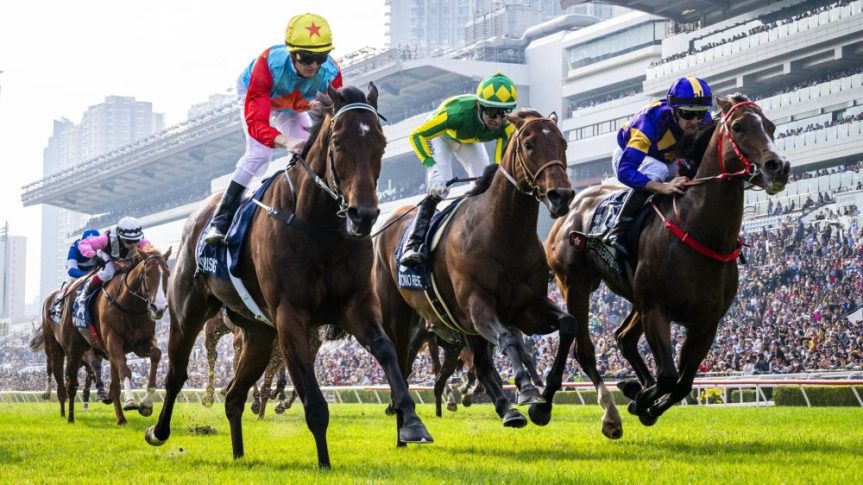
The thunder of hooves, the roar of the crowd, the breathtaking speed – professional horse racing is an exhilarating spectacle. Yet, beneath the glamour and the high stakes lies a sport with inherent risks. For both horse and rider, safety is paramount. While the focus often falls on the magnificent equine athletes, the protection of the jockey is equally critical. These skilled individuals navigate incredible speeds, tight turns, and unpredictable situations. Their ability to perform at their peak, and more importantly, to walk away from an accident, relies heavily on the quality and integrity of their safety gear. This article delves into the crucial role of protective equipment in professional horse racing, highlighting why it’s not just an accessory, but an essential component of the sport.

The Inherent Dangers: A High-Stakes Environment

Horse racing, by its very nature, is a high-risk activity. Jockeys ride powerful animals weighing over 1,000 pounds, traveling at speeds exceeding 40 miles per hour. A fall, whether due to a misstep by the horse, interference from another rider, or an unforeseen circumstance, can have devastating consequences. Injuries can range from minor scrapes and bruises to severe fractures, concussions, and even life-threatening trauma. The close proximity of multiple horses and riders in a confined space further amplifies these risks.

Consider the statistics: a study by the British Horseracing Authority revealed that jockeys experience an average of one fall every 150 rides, with concussions being one of the most common severe injuries. These figures underscore the constant threat jockeys face and the absolute necessity of robust protective measures. It’s not a matter of ‘if’ an accident will happen, but ‘when,’ making the quality of protection a life-or-death consideration.

The Evolution of Protection: From Silk to Science

Historically, jockey attire was largely functional and aesthetic, with little emphasis on advanced protection. The iconic silk colors were for identification, and helmets were often rudimentary. However, as medical understanding of head injuries and the biomechanics of falls improved, so too did the design and materials used in safety gear. Today, modern jockey outfits horse racing are a testament to scientific advancement, incorporating cutting-edge materials and ergonomic designs to maximize protection without hindering performance.

The Helmet: The Most Critical Defense

Without doubt, the helmet is the most vital piece of safety equipment for a jockey. Modern racing helmets are a far cry from their predecessors. They are meticulously designed to absorb and dissipate impact energy, protecting the brain from concussions and more severe traumatic brain injuries.

  • Advanced Materials: Helmets are constructed from multi-layered composites, often incorporating carbon fiber, Kevlar, and fiberglass, which offer exceptional strength-to-weight ratios.
  • Energy Absorption: Inner liners made of expanded polystyrene (EPS) foam are engineered to crush and deform upon impact, effectively slowing the head’s deceleration and reducing the G-forces transmitted to the brain.
  • Rigorous Testing: All racing helmets must meet stringent international safety standards, undergoing extensive testing for impact resistance, penetration, and strap retention.

Body Protectors: Shielding the Torso

Beneath their vibrant silks, jockeys wear sophisticated body protectors designed to safeguard the spine, ribs, and internal organs. These vests are crucial in mitigating injuries from direct impacts with the ground, other horses, or rails.

  • Segmented Design: Modern body protectors feature multiple articulated panels, allowing for flexibility and freedom of movement while ensuring comprehensive coverage.
  • Impact-Absorbing Foams: High-density, impact-absorbing foams, often multi-layered, are strategically placed to cushion falls and distribute impact forces over a wider area.
  • Lightweight Construction: Despite their protective capabilities, these vests are designed to be as lightweight as possible to avoid hindering the jockey’s performance or adding unnecessary weight to the horse.

Footwear and Goggles: Supporting Performance and Protection

While perhaps less dramatic than helmets and body protectors, specialized footwear and goggles also play a crucial role in jockey safety and performance.

  • Riding Boots: High-quality riding boots provide ankle support, grip in the stirrups, and protection from scrapes and abrasions. They are designed to come off easily in a fall, preventing a foot from getting caught in a stirrup, which can lead to severe dragging injuries.
  • Goggles: Clear, shatter-resistant goggles protect the jockey’s eyes from flying dirt, debris, and mud kicked up by other horses, ensuring clear vision throughout the race – a critical factor for safety and strategic riding.

The Rider’s Responsibility and Industry Standards

While manufacturers continue to innovate, the responsibility for ensuring proper and well-maintained safety gear also falls on the jockey and the racing industry. Regular inspection, replacement of damaged equipment, and adherence to evolving safety standards are paramount. Racing authorities around the world mandate specific safety gear requirements, and non-compliance can result in penalties or even disqualification. The continuous dialogue between jockeys, trainers, manufacturers, and regulatory bodies drives improvements in the safety of jockey outfits horse racing.

Conclusion: A Commitment to Well-being

The world of professional horse racing is a thrilling blend of skill, speed, and courage. For the jockeys who dedicate their lives to this demanding sport, safety gear is not merely an accessory; it is their unseen armor, their silent guardian. From advanced helmets that shield against brain trauma to body protectors that cushion falls, every piece of equipment is a testament to a collective commitment to rider well-being. As the sport continues to evolve, so too will the technology and design of these vital protections, ensuring that jockeys can compete at the highest level with the greatest possible peace of mind, knowing they are as protected as possible against the inherent risks of the track.

Author Bio:- The author is a seasoned writer with a passion for equestrian sports and a keen interest in athletic safety and performance. With years of experience researching and writing about various aspects of sports, their work focuses on providing insightful and well-researched content that informs and engages readers. They believe in the power of knowledge to enhance understanding and promote best practices in all competitive fields.

The Psychology of Teamwork in Volleyball

Volleyball is one of the few sports where teamwork is not just encouraged but absolutely essential. Unlike individual sports where one athlete can dominate, volleyball demands synchronization, communication, and trust. From the serve to the spike, every point relies on coordinated effort. The psychology of teamwork in volleyball reveals why mental strength, communication, and shared responsibility are just as important as physical skills.

Why Teamwork Matters in Volleyball

Volleyball is built around quick exchanges, requiring immediate collaboration. No single player can cover the entire court or take every touch. Instead, success comes from a group functioning as a single unit.

  • Three Touch Rule: Every rally is structured around passing, setting, and spiking, which requires multiple players to work together.
  • Rotations: Players constantly change positions, making adaptability and team coordination crucial.
  • Shared Responsibility: Unlike in some sports, there’s no room for one player to dominate every play. Balance and trust are vital.

These structural elements of volleyball make teamwork a psychological necessity rather than an optional skill.

Communication – The Core of Success

Clear communication is one of the pillars of volleyball teamwork.

  • Calling the Ball: Players must loudly and clearly call when they are taking a shot, reducing confusion and avoiding errors.
  • Non-Verbal Signals: Hand gestures, eye contact, and body language all help teammates anticipate actions.
  • Trust in the Setter: Players rely on the setter’s communication and decisions, creating a bond that drives fluid play.

The psychology here emphasizes confidence and clarity. When communication breaks down, mistakes multiply; when it thrives, the game flows seamlessly.

Building Trust Within the Team

Trust is the invisible glue of teamwork. Volleyball demands that every player depend on others.

  • Reliance on Roles: A hitter must trust that the setter will deliver a good ball. Similarly, the libero trusts blockers to cover their zones.
  • Confidence in Coverage: Trust allows players to focus on their responsibilities without worrying about areas already assigned.
  • Positive Reinforcement: Encouraging teammates after mistakes builds trust and reduces performance anxiety.

Psychologically, this trust reduces hesitation and fosters a sense of unity, enabling players to react instinctively rather than second-guessing themselves.

Handling Pressure Together

Pressure situations—like tight sets or match points—test not just skill but collective mentality.

  • Shared Accountability: When responsibility is shared, no single player feels the burden of winning or losing.
  • Calm Leadership: Captains and experienced players help stabilize emotions, setting the tone for the team.
  • Resilience: Teams that mentally prepare for pressure situations handle nerves better, often outperforming technically superior but less united opponents.

Psychologists note that teams with stronger collective resilience are more likely to succeed under pressure than those relying on individual brilliance.

The Role of Motivation and Morale

Teamwork psychology also involves motivation, which often comes from shared goals and emotional support.

  • Celebrations: Small victories like a block or a dig are celebrated, keeping spirits high.
  • Energy Transfers: Positive energy spreads quickly, lifting the entire team. Conversely, negativity can be contagious.
  • Unified Goals: A team that focuses on shared objectives performs better than one fragmented by individual priorities.

Motivation stems from knowing that every effort contributes to a collective outcome.

Conflict and Resolution

Even the best teams face conflict, whether from personality clashes or differing play styles.

  • Open Dialogue: Encouraging honest but respectful communication prevents small disagreements from festering.
  • Coach’s Role: Coaches act as mediators, ensuring discipline while fostering team harmony.
  • Forgiveness: The ability to move on from mistakes or disagreements is crucial in fast-paced environments like volleyball.

Conflict resolution skills strengthen teams by teaching players to adapt, respect, and grow together.

Cultural Differences in Teamwork

Volleyball is played globally, and different cultures influence how teams work together.

  • Asian Teams: Often emphasize discipline, structure, and collective precision.
  • Western Teams: Focus on creativity, aggressive strategies, and vocal encouragement.
  • Caribbean and Latin Teams: Bring energy and rhythm into teamwork, often boosting morale through vibrant communication.

Understanding these differences helps international players adapt and strengthen global teamwork dynamics.

Psychological Preparation

Strong volleyball teams use mental training alongside physical practice.

  • Visualization: Players mentally rehearse coordinated plays to build instinctive reactions.
  • Team-Building Exercises: Activities outside the court enhance chemistry and trust.
  • Mindfulness and Focus: Techniques like breathing exercises help players stay calm and united under stress.

These tools ensure that teamwork is not left to chance but actively developed.

Final Thoughts

The psychology of teamwork in volleyball highlights that success comes not from individuals but from the harmony of the group. Communication, trust, shared accountability, and resilience under pressure transform six players into a single, efficient unit. Volleyball exemplifies how teamwork can amplify individual strengths and overcome weaknesses, offering lessons that extend beyond sport into life itself.

For fans who want to explore teamwork stories, performance insights, and coverage of volleyball and other sports, platforms like Cricmatch and Cricmatch247 provide detailed updates, ensuring you stay connected with the mental and physical side of the game.

The Ageless Allure of Sport: Beyond the Game, Into the Soul of Humanity

Introduction: More Than Muscle and Motion

Sport, in its many forms, is far more than a contest of speed, strength, or skill. It is a mirror reflecting the highest aspirations of the human spirit—a space where competition intertwines with culture, where triumph and heartbreak coexist in equal measure. Whether one speaks of an Olympic sprint, a village football match, or a solitary morning jog, sport is a uniquely powerful phenomenon that connects generations, ignites emotion, and fosters transformation. Its beauty lies not just in the scoreboard, but in the stories woven within the action.

A Historical Journey: Sport Through the Ages

The roots of sport dig deep into ancient civilization. Greek athletes once competed in sacred stadiums, not merely for glory, but to honor the gods. In Mesoamerica, ball games carried ritual significance, while Chinese archers practiced sport as a mark of nobility. These early traditions were steeped in symbolism, unity, and often, divine reverence.

By the 19th century, as industrialization swept across continents, sport began to modernize. The creation of standardized rules, global competitions, and professional leagues transformed it into a universal language. Today, from cricket grounds in Mumbai to ski slopes in the Alps, sport captures imaginations and forges identities on a scale once unimaginable.

The Character-Building Power of Sport

For individuals, sport is a fertile ground for personal development. The values learned on a court, field, or mat often extend far beyond the boundaries of the game itself. Through daily drills, intense matches, and even losses, character is quietly, yet firmly, shaped.

Key Life Lessons Derived from Sport:

  • Discipline and Commitment: Consistent training demands routine, focus, and sacrifice.

  • Resilience and Courage: Setbacks are inevitable; bouncing back defines the athlete’s journey.

  • Teamwork and Communication: Success often hinges on collaboration, empathy, and shared purpose.

  • Leadership and Responsibility: Captains and seasoned players learn to guide, mentor, and inspire.

  • Humility in Victory and Grace in Defeat: The highs and lows of sport instill emotional intelligence and perspective.

Children and youth especially benefit from this immersive education. Sport acts as a formative mentor, quietly teaching values that textbooks often cannot.

Sport as a Cultural Catalyst

Sport also acts as a cultural bridge, fostering unity amidst diversity. Across borders and belief systems, people cheer for heroes who inspire hope and embody national pride. In cities burdened by conflict or division, a local team’s success can heal and unify.

Cultural Impacts of Sport:

  • National Identity: Victories on the world stage often become historical milestones.

  • Social Integration: Community sports bring people together regardless of background.

  • Cultural Exchange: International tournaments expose audiences to diverse traditions and customs.

  • Peacebuilding: Initiatives like “Football for Peace” and Olympic diplomacy use sport to foster understanding between hostile groups.

In every chant, jersey, and anthem, sport encapsulates the shared heartbeat of a people. It becomes a sanctuary where collective emotion finds safe, passionate expression.

The Economic Might of Sport

What was once recreation has become a powerhouse of global commerce. The modern sports industry fuels countless sectors, from entertainment and tourism to fashion and technology. Sports stars are now brands in themselves, with influence stretching far beyond their disciplines.

Economic Dimensions of Sport:

  • Professional Leagues and Broadcasting: Billion-dollar deals shape content for global audiences.

  • Sponsorship and Advertising: Corporations invest heavily in visibility through sports partnerships.

  • Tourism and Hospitality: Major events like the Olympics or FIFA World Cup boost economies through travel and infrastructure development.

  • Job Creation: From coaches and analysts to physiotherapists and event staff, sport supports a vast employment ecosystem.

  • Merchandising: Branded merchandise represents both economic value and cultural identity.

However, this monetization also raises ethical questions about access, equity, and the soul of sport itself.

Challenges Confronting Modern Sport

With its soaring visibility and influence, sport must also grapple with serious challenges. Scandals, inequities, and growing commercialization threaten to erode the purity of the experience. To preserve its essence, sport must constantly recalibrate its moral compass.

Pressing Issues Facing Contemporary Sport:

  • Doping and Corruption: High-stakes pressure can lead athletes and officials astray.

  • Gender Inequality: Despite progress, disparities in pay, coverage, and opportunity persist across many disciplines.

  • Over-Commercialization: The shift from passion to profit risks alienating grassroots fans and distorting values.

  • Access and Inclusion: In many regions, sport remains inaccessible due to economic or geographic barriers.

  • Mental Health: The psychological toll on athletes is often overlooked in the pursuit of excellence.

Addressing these concerns requires not only institutional reforms but a collective cultural shift that values well-being, fairness, and inclusion as highly as performance.

The Technological Transformation of Sport

Technology is radically reshaping the future of sport. From data analytics to fan engagement, digital innovation enhances precision and participation alike.

How Technology is Revolutionizing Sport:

  • Performance Monitoring: Wearables and motion sensors optimize training and prevent injury.

  • Virtual Coaching and e-Learning: Athletes now have access to expertise from around the globe.

  • Fan Experience: Augmented reality and interactive apps are changing how we watch and engage with sports.

  • Esports Emergence: Competitive gaming is carving out its place alongside traditional athletics, engaging millions of viewers.

  • Sustainable Infrastructure: Green stadiums and eco-friendly practices reflect growing environmental awareness in sport planning.

As technology advances, sport has the opportunity to become smarter, safer, and more sustainable—while preserving the raw human essence at its core.

Conclusion: Why Sport Endures

Sport endures because it taps into something elemental and timeless within us—the hunger for purpose, for challenge, for connection. It is the only theater where joy, heartbreak, and redemption unfold in real-time, unfiltered. In the pursuit of a goal, a medal, or even personal best, sport lays bare the universal human narrative.

At its best, sport is not just about beating an opponent; it’s about discovering one’s deeper self. It is about community, celebration, and shared struggle. It tells us who we are and invites us to imagine who we might become.

From ancient rituals to digital arenas, the game continues—an eternal dance of discipline, desire, and dreams. And as long as we strive, sweat, and believe, sport will remain our most honest arena.

Sport: Humanity’s Timeless Arena of Aspiration and Achievement

Introduction: The Living Pulse of Sport

Sport is not merely a form of entertainment or a test of physical prowess—it is one of the most powerful cultural institutions ever conceived by humanity. At once personal and collective, intimate and spectacular, sport threads through the fabric of societies across generations and continents. It is a stage for ambition, a mirror to identity, and a training ground for life itself.

From neighborhood playgrounds to Olympic podiums, sport ignites passion, fosters resilience, and nurtures dreams. Its influence runs deeper than statistics or scoreboards—it is a language of movement, a celebration of spirit, and, at times, a call for justice.

The Evolution of Sport: From Ancient Rituals to Global Phenomenon

Sport’s origins are rooted in human history, long before the codification of rules or the construction of arenas. In ancient civilizations, athletic contests were entwined with religious rites, tribal rivalries, and royal festivities. The Greeks, for instance, introduced the Olympic Games as a tribute to the gods. In medieval Europe, jousts and melees served as both entertainment and preparation for war.

The 19th and 20th centuries marked the formalization and global expansion of sport. Colonialism, industrialization, and technological innovation all contributed to its spread and structure. The advent of broadcasting, followed by the digital age, catapulted sports from local communities to international fame, turning athletes into icons and stadiums into sanctuaries of modern mythology.

Sport as a Tool for Human Development

Beyond the applause and adrenaline, sport plays a transformative role in individual lives. It serves as a crucible in which values are tested and character is forged. For children, it offers structure and socialization. For adults, it provides discipline, challenge, and camaraderie. For society, it promotes physical health and emotional well-being.

Key Benefits of Sport in Human Development:

  • Character Building: Teaches discipline, patience, humility, and perseverance.

  • Mental Fortitude: Builds emotional resilience through dealing with setbacks and pressure.

  • Social Integration: Encourages teamwork, cooperation, and conflict resolution.

  • Goal Orientation: Develops a strong work ethic and a results-driven mindset.

  • Physical Health: Reduces risk of disease, improves fitness, and promotes longevity.

Even in non-competitive contexts, physical activity cultivates mental clarity, boosts self-esteem, and contributes to overall life satisfaction.

The Social and Cultural Power of Sport

Sport has always been more than an athletic contest—it is a cultural artifact, a tool for diplomacy, and a lightning rod for social change. Its rituals, rivalries, and heroes often embody deeper narratives of identity, struggle, and pride.

The Societal Functions of Sport:

  • National Identity and Pride: Sporting triumphs can serve as moments of collective celebration and unity.

  • Cultural Exchange: International competitions promote mutual understanding among nations.

  • Social Movements and Protest: Athletes have used their platforms to address systemic injustice—Muhammad Ali, Tommie Smith, and Colin Kaepernick, among others, have shown that sport can challenge the status quo.

  • Community Building: Local teams and sporting events create bonds among people of all backgrounds, reducing social isolation and strengthening civic ties.

In an age marked by division and digital detachment, sport offers a rare and authentic platform for human connection.

The Business of Sport: A Global Economic Force

What once began as informal games has evolved into a vast global industry. Professional sports leagues, media rights, merchandising, and sponsorships generate billions of dollars annually. At the same time, grassroots and amateur sports fuel local economies and provide employment opportunities.

Layers of the Sports Economy:

  • Broadcasting and Media: Television deals and online streaming rights are major revenue drivers.

  • Event Tourism: Hosting international tournaments attracts global audiences and economic investment.

  • Merchandising and Licensing: Branded goods account for significant consumer engagement and loyalty.

  • Infrastructure and Urban Development: Stadiums, training centers, and related amenities shape urban landscapes.

  • Job Creation: Coaches, trainers, physiotherapists, event managers, and broadcasters all benefit from the sport economy.

Despite its lucrative appeal, this commercial success brings with it a responsibility to ensure fairness, accessibility, and integrity.

Challenges in the Modern Sporting Landscape

With visibility and power comes scrutiny. The contemporary sports world faces complex challenges that threaten its ethical core and inclusive promise.

Pressing Issues in Sport Today:

  • Commercialization vs. Integrity: Excessive focus on profit can undermine the essence of competition and alienate grassroots participants.

  • Gender Disparity: Women’s sports still lag behind in terms of investment, coverage, and recognition.

  • Performance Enhancing Drugs: Doping scandals have tainted major events and raised questions about fairness and safety.

  • Corruption and Governance: Mismanagement within sports organizations erodes public trust.

  • Mental Health Stigma: The psychological demands placed on athletes are often ignored until crisis strikes.

Addressing these concerns is essential to preserving the sanctity of sport as a force for good.

Technology and the Future of Sport

The intersection of sport and technology is reshaping every facet of the game. From training techniques to fan experiences, innovation is amplifying performance, accessibility, and engagement.

Technological Innovations in Sport:

  • Wearable Tech: Tracks biometrics and optimizes training for elite and amateur athletes alike.

  • AI and Analytics: Offers strategic insights through data-driven decisions.

  • Virtual Reality and Simulation: Enhances rehabilitation, training, and spectator immersion.

  • Sustainable Facilities: Green stadiums and eco-conscious initiatives aim to reduce the environmental impact of large-scale sporting events.

  • eSports and Gaming: Redefining competition and attracting a new generation of enthusiasts.

These advancements, while exciting, must be tempered by ethical frameworks that preserve the human essence of sport.

Conclusion: The Timeless Value of Sport

Sport is a universal anthem to the power of potential. It demands our best and rewards effort with growth, not always in victory, but often in the act of striving itself. Across cultures and generations, sport continues to be a defining aspect of what it means to be human—full of grace, struggle, and triumph.

In its simplest form, a game can ignite a dream. In its most elevated form, sport is a canvas upon which the values of a civilization are painted. As we move forward into an increasingly complex world, sport remains a timeless and grounding force—both a mirror and a mentor for those who choose to play.