Sport Bets That Sting

If you have ever sat in a boxing group chat, you know the screaming that follows when something goes wrong. You can always find at least one person screaming robbery, another is posting screenshots of his ticket, but the truth is that the rules are always the most important thing. Boxing bets aren’t simple, that’s why you should read them carefully before placing any bets. With YesPlay, reading all the rules is extremely easy since they are located next to the place where the draw price is.

Boxing Markets

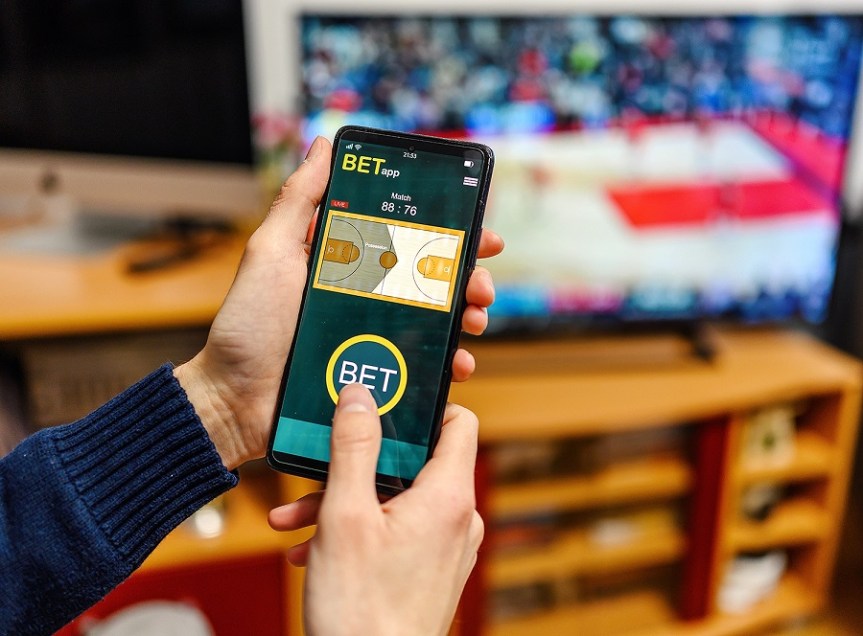
YesPlay features a section dedicated to boxing where you can place your bets and possibly win some money. In this section, all the fights are neatly organized by event and exhibition cards. Whether you’re trying to predict the winner of the match or which round the final blow is going to land on, or how the fight is going to end, we’ve got you covered. You can also bet on whether the fight is going to end early. But the fun doesn’t stop there as Live betting kicks in as soon as the first bell rings.

If you’re wondering how the fights and their respective odds are organized, check out https://yesplay.bet/sports/prematch/boxing using your browser. Pay special attention to the draw prices, especially in tight matches.

Keep Bets Clean

When it comes to boxing, the rules are almost as important as the odds. For example, if you don’t want to risk having a draw, you can instead bet on whether the fight will “go the distance” because a scorecard still works in your favour. Or if you are okay with having a draw as a danger, then you can place smaller bets on both a boxer and the draw, because it will protect you if a final-round knockdown turns a clear win into a draw. When it comes to boxing, the little things matter just as much.

YesPlay is licensed by the Western Cape Gambling and Racing Board under Bookmaker. Winners know when to stop. No persons under the age of 18. Toll-free South African Responsible Gambling Programme Hotline: 0800 006 008 or WhatsApp/SMS “HELP” to 076 675 0710. All events are fixed-odds betting games. Ts & Cs Apply.

The Unseen Armor: Why Safety Gear is Non-Negotiable in Professional Horse Racing

The thunder of hooves, the roar of the crowd, the breathtaking speed – professional horse racing is an exhilarating spectacle. Yet, beneath the glamour and the high stakes lies a sport with inherent risks. For both horse and rider, safety is paramount. While the focus often falls on the magnificent equine athletes, the protection of the jockey is equally critical. These skilled individuals navigate incredible speeds, tight turns, and unpredictable situations. Their ability to perform at their peak, and more importantly, to walk away from an accident, relies heavily on the quality and integrity of their safety gear. This article delves into the crucial role of protective equipment in professional horse racing, highlighting why it’s not just an accessory, but an essential component of the sport.

The Inherent Dangers: A High-Stakes Environment

Horse racing, by its very nature, is a high-risk activity. Jockeys ride powerful animals weighing over 1,000 pounds, traveling at speeds exceeding 40 miles per hour. A fall, whether due to a misstep by the horse, interference from another rider, or an unforeseen circumstance, can have devastating consequences. Injuries can range from minor scrapes and bruises to severe fractures, concussions, and even life-threatening trauma. The close proximity of multiple horses and riders in a confined space further amplifies these risks.

Consider the statistics: a study by the British Horseracing Authority revealed that jockeys experience an average of one fall every 150 rides, with concussions being one of the most common severe injuries. These figures underscore the constant threat jockeys face and the absolute necessity of robust protective measures. It’s not a matter of ‘if’ an accident will happen, but ‘when,’ making the quality of protection a life-or-death consideration.

The Evolution of Protection: From Silk to Science

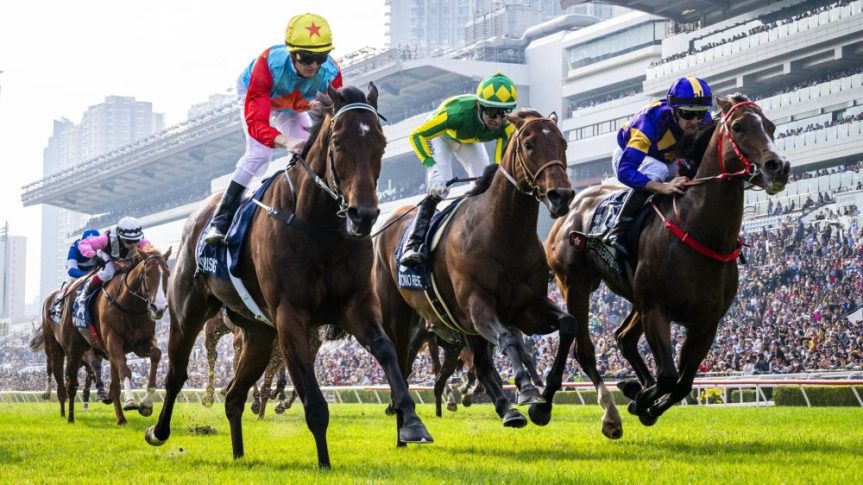
Historically, jockey attire was largely functional and aesthetic, with little emphasis on advanced protection. The iconic silk colors were for identification, and helmets were often rudimentary. However, as medical understanding of head injuries and the biomechanics of falls improved, so too did the design and materials used in safety gear. Today, modern jockey outfits horse racing are a testament to scientific advancement, incorporating cutting-edge materials and ergonomic designs to maximize protection without hindering performance.

The Helmet: The Most Critical Defense

Without doubt, the helmet is the most vital piece of safety equipment for a jockey. Modern racing helmets are a far cry from their predecessors. They are meticulously designed to absorb and dissipate impact energy, protecting the brain from concussions and more severe traumatic brain injuries.

  • Advanced Materials: Helmets are constructed from multi-layered composites, often incorporating carbon fiber, Kevlar, and fiberglass, which offer exceptional strength-to-weight ratios.
  • Energy Absorption: Inner liners made of expanded polystyrene (EPS) foam are engineered to crush and deform upon impact, effectively slowing the head’s deceleration and reducing the G-forces transmitted to the brain.
  • Rigorous Testing: All racing helmets must meet stringent international safety standards, undergoing extensive testing for impact resistance, penetration, and strap retention.

Body Protectors: Shielding the Torso

Beneath their vibrant silks, jockeys wear sophisticated body protectors designed to safeguard the spine, ribs, and internal organs. These vests are crucial in mitigating injuries from direct impacts with the ground, other horses, or rails.

  • Segmented Design: Modern body protectors feature multiple articulated panels, allowing for flexibility and freedom of movement while ensuring comprehensive coverage.
  • Impact-Absorbing Foams: High-density, impact-absorbing foams, often multi-layered, are strategically placed to cushion falls and distribute impact forces over a wider area.
  • Lightweight Construction: Despite their protective capabilities, these vests are designed to be as lightweight as possible to avoid hindering the jockey’s performance or adding unnecessary weight to the horse.

Footwear and Goggles: Supporting Performance and Protection

While perhaps less dramatic than helmets and body protectors, specialized footwear and goggles also play a crucial role in jockey safety and performance.

  • Riding Boots: High-quality riding boots provide ankle support, grip in the stirrups, and protection from scrapes and abrasions. They are designed to come off easily in a fall, preventing a foot from getting caught in a stirrup, which can lead to severe dragging injuries.
  • Goggles: Clear, shatter-resistant goggles protect the jockey’s eyes from flying dirt, debris, and mud kicked up by other horses, ensuring clear vision throughout the race – a critical factor for safety and strategic riding.

The Rider’s Responsibility and Industry Standards

While manufacturers continue to innovate, the responsibility for ensuring proper and well-maintained safety gear also falls on the jockey and the racing industry. Regular inspection, replacement of damaged equipment, and adherence to evolving safety standards are paramount. Racing authorities around the world mandate specific safety gear requirements, and non-compliance can result in penalties or even disqualification. The continuous dialogue between jockeys, trainers, manufacturers, and regulatory bodies drives improvements in the safety of jockey outfits horse racing.

Conclusion: A Commitment to Well-being

The world of professional horse racing is a thrilling blend of skill, speed, and courage. For the jockeys who dedicate their lives to this demanding sport, safety gear is not merely an accessory; it is their unseen armor, their silent guardian. From advanced helmets that shield against brain trauma to body protectors that cushion falls, every piece of equipment is a testament to a collective commitment to rider well-being. As the sport continues to evolve, so too will the technology and design of these vital protections, ensuring that jockeys can compete at the highest level with the greatest possible peace of mind, knowing they are as protected as possible against the inherent risks of the track.

Author Bio:- The author is a seasoned writer with a passion for equestrian sports and a keen interest in athletic safety and performance. With years of experience researching and writing about various aspects of sports, their work focuses on providing insightful and well-researched content that informs and engages readers. They believe in the power of knowledge to enhance understanding and promote best practices in all competitive fields.

The Psychology of Teamwork in Volleyball

Volleyball is one of the few sports where teamwork is not just encouraged but absolutely essential. Unlike individual sports where one athlete can dominate, volleyball demands synchronization, communication, and trust. From the serve to the spike, every point relies on coordinated effort. The psychology of teamwork in volleyball reveals why mental strength, communication, and shared responsibility are just as important as physical skills.

Why Teamwork Matters in Volleyball

Volleyball is built around quick exchanges, requiring immediate collaboration. No single player can cover the entire court or take every touch. Instead, success comes from a group functioning as a single unit.

  • Three Touch Rule: Every rally is structured around passing, setting, and spiking, which requires multiple players to work together.
  • Rotations: Players constantly change positions, making adaptability and team coordination crucial.
  • Shared Responsibility: Unlike in some sports, there’s no room for one player to dominate every play. Balance and trust are vital.

These structural elements of volleyball make teamwork a psychological necessity rather than an optional skill.

Communication – The Core of Success

Clear communication is one of the pillars of volleyball teamwork.

  • Calling the Ball: Players must loudly and clearly call when they are taking a shot, reducing confusion and avoiding errors.
  • Non-Verbal Signals: Hand gestures, eye contact, and body language all help teammates anticipate actions.
  • Trust in the Setter: Players rely on the setter’s communication and decisions, creating a bond that drives fluid play.

The psychology here emphasizes confidence and clarity. When communication breaks down, mistakes multiply; when it thrives, the game flows seamlessly.

Building Trust Within the Team

Trust is the invisible glue of teamwork. Volleyball demands that every player depend on others.

  • Reliance on Roles: A hitter must trust that the setter will deliver a good ball. Similarly, the libero trusts blockers to cover their zones.
  • Confidence in Coverage: Trust allows players to focus on their responsibilities without worrying about areas already assigned.
  • Positive Reinforcement: Encouraging teammates after mistakes builds trust and reduces performance anxiety.

Psychologically, this trust reduces hesitation and fosters a sense of unity, enabling players to react instinctively rather than second-guessing themselves.

Handling Pressure Together

Pressure situations—like tight sets or match points—test not just skill but collective mentality.

  • Shared Accountability: When responsibility is shared, no single player feels the burden of winning or losing.
  • Calm Leadership: Captains and experienced players help stabilize emotions, setting the tone for the team.
  • Resilience: Teams that mentally prepare for pressure situations handle nerves better, often outperforming technically superior but less united opponents.

Psychologists note that teams with stronger collective resilience are more likely to succeed under pressure than those relying on individual brilliance.

The Role of Motivation and Morale

Teamwork psychology also involves motivation, which often comes from shared goals and emotional support.

  • Celebrations: Small victories like a block or a dig are celebrated, keeping spirits high.
  • Energy Transfers: Positive energy spreads quickly, lifting the entire team. Conversely, negativity can be contagious.
  • Unified Goals: A team that focuses on shared objectives performs better than one fragmented by individual priorities.

Motivation stems from knowing that every effort contributes to a collective outcome.

Conflict and Resolution

Even the best teams face conflict, whether from personality clashes or differing play styles.

  • Open Dialogue: Encouraging honest but respectful communication prevents small disagreements from festering.
  • Coach’s Role: Coaches act as mediators, ensuring discipline while fostering team harmony.
  • Forgiveness: The ability to move on from mistakes or disagreements is crucial in fast-paced environments like volleyball.

Conflict resolution skills strengthen teams by teaching players to adapt, respect, and grow together.

Cultural Differences in Teamwork

Volleyball is played globally, and different cultures influence how teams work together.

  • Asian Teams: Often emphasize discipline, structure, and collective precision.
  • Western Teams: Focus on creativity, aggressive strategies, and vocal encouragement.
  • Caribbean and Latin Teams: Bring energy and rhythm into teamwork, often boosting morale through vibrant communication.

Understanding these differences helps international players adapt and strengthen global teamwork dynamics.

Psychological Preparation

Strong volleyball teams use mental training alongside physical practice.

  • Visualization: Players mentally rehearse coordinated plays to build instinctive reactions.
  • Team-Building Exercises: Activities outside the court enhance chemistry and trust.
  • Mindfulness and Focus: Techniques like breathing exercises help players stay calm and united under stress.

These tools ensure that teamwork is not left to chance but actively developed.

Final Thoughts

The psychology of teamwork in volleyball highlights that success comes not from individuals but from the harmony of the group. Communication, trust, shared accountability, and resilience under pressure transform six players into a single, efficient unit. Volleyball exemplifies how teamwork can amplify individual strengths and overcome weaknesses, offering lessons that extend beyond sport into life itself.

For fans who want to explore teamwork stories, performance insights, and coverage of volleyball and other sports, platforms like Cricmatch and Cricmatch247 provide detailed updates, ensuring you stay connected with the mental and physical side of the game.

Chasing Glory: The Timeless Spirit and Global Soul of Soccer

Introduction: The Universal Pulse of the Beautiful Game

Soccer—known as football to most of the world—is not merely a sport. It is a global heartbeat, a collective rhythm shared across continents, cultures, and generations. In its simplest form, it is two teams, one ball, and the pursuit of victory. Yet behind the goals and glory lies something far deeper: a cultural force that inspires hope, fosters identity, and stirs the emotions of billions. From sun-soaked street corners in Dakar to floodlit stadiums in Madrid, soccer is a language spoken with the feet but understood by the heart.

A Game of Elegant Simplicity

One of soccer’s most remarkable features is its inherent simplicity. Unlike many other sports that require extensive equipment or infrastructure, soccer needs only a ball and an open space. Its minimalism is what makes it universally accessible and endlessly adaptable.

  • Low Entry Barrier: A pair of shoes isn’t even necessary. Children in remote villages often use homemade balls and still master technique with creativity and passion.

  • Unified Rules: The basic structure of the game is the same whether you’re watching the FIFA World Cup or a friendly match in a local park.

  • Global Accessibility: Soccer thrives in every environment—from urban alleyways to sprawling fields—uniting people across income levels, languages, and borders.

This straightforwardness, paradoxically, is what gives the game its infinite depth and variety. It invites participation while leaving room for flair, improvisation, and individuality.

Cultural Identity Woven Into Every Match

Soccer is far more than a pastime; it is an expression of culture, community, and belonging. Nations embrace their teams as symbols of pride. Cities adopt their clubs as reflections of their character. And fans build lifelong identities around their chosen colors.

  • National Representation: Countries like Brazil, Italy, and Argentina live and breathe soccer, with each match representing not only athletic prowess but also cultural pride.

  • Club Culture and Tribalism: Clubs like Barcelona, Boca Juniors, or Manchester United are not just sports teams—they are emblems of political ideologies, class struggles, and historic rivalries.

  • Local and Global Pride: While club loyalties are intensely local, the fanbases are often international, creating a rich, intertwined global community of support.

In moments of victory, entire nations erupt in joy. In moments of loss, the heartbreak feels collective. Soccer moves us because it belongs to all of us.

Emotion, Drama, and the Art of Unpredictability

There is a special kind of magic that soccer delivers: it is drama without script, theater without rehearsals. A game can shift on a single touch, a moment of genius, or a flash of madness. It is precisely this unpredictability that captivates audiences across the world.

  • Low-Scoring, High-Stakes: With goals at a premium, every pass and tackle carries heightened significance.

  • Moments of Brilliance: Whether it’s a bicycle kick, a 90th-minute winner, or a sublime solo run, soccer produces unforgettable highlights born from intuition and improvisation.

  • Underdog Triumphs: Few sports allow for the drama of a lesser-known side toppling giants in front of millions.

This emotional rollercoaster—from elation to despair within minutes—is what makes the sport addictive and unforgettable.

The Evolution of the Game

Despite its deep roots in tradition, soccer is a sport that has evolved with the times. Tactics, training, and technology have reshaped how the game is played and experienced, without erasing its timeless core.

  • Tactical Innovation: From the rigid WM formations of the early 20th century to modern-day high-pressing, possession-based systems, the sport constantly reinvents itself.

  • Player Development: Athletes today are sculpted through science, nutrition, and data analytics, creating a new breed of technically gifted and physically elite players.

  • Technological Integration: Tools like VAR (Video Assistant Referee) and goal-line technology, while sometimes controversial, aim to ensure fairness and precision in an increasingly scrutinized game.

Though change is inevitable, the soul of soccer—its unpredictability and passion—remains untouched.

The Business Behind the Ball

What once began as a grassroots pastime has transformed into a multibillion-dollar industry. Soccer today stands as one of the most lucrative and far-reaching economic ecosystems in the world.

  • Media Rights and Global Reach: Tournaments like the UEFA Champions League and FIFA World Cup draw billions of viewers and generate astronomical revenues.

  • Sponsorship and Branding: Major brands align themselves with clubs, players, and competitions to leverage the sport’s global appeal.

  • Transfer Markets and Economics: Star players command fees in the hundreds of millions, illustrating both their market value and their influence on global commerce.

This commercialization has both fans and critics. Some mourn the increasing corporatization, while others recognize the expanded reach and opportunities it provides.

Icons Who Transcend the Game

Soccer’s pantheon of legends includes more than just athletes—they are icons of style, activism, leadership, and brilliance.

  • Pelé and Maradona: Two South American giants who shaped the soul of the sport with their unmatched skill and unforgettable moments.

  • Zinedine Zidane and Ronaldinho: Artists on the pitch, known for their elegance, vision, and game-changing presence.

  • Cristiano Ronaldo and Lionel Messi: The modern era’s titans, pushing boundaries of consistency, talent, and ambition for over a decade.

These players, though from different generations and nations, share one thing: the power to move millions through their mastery of the game.

Soccer’s Role in Social Change

Soccer also wields a unique power off the pitch. Its visibility and influence make it a formidable tool for social progress and activism.

  • Breaking Barriers: Players like Megan Rapinoe and Marcus Rashford have used their platforms to speak on issues from racial justice to child poverty.

  • Global Unity: Tournaments like the World Cup promote a spirit of peaceful competition and shared humanity, bringing together diverse nations under one banner.

  • Hope and Inspiration: For countless young people in underserved communities, soccer represents a path to opportunity, expression, and belonging.

Where other institutions falter in building bridges, soccer steps in—connecting people through shared passion and purpose.

Conclusion: A Timeless Bond Between Humanity and the Game

Soccer is not merely a game played on green fields. It is a stage for dreams, a mirror of societies, and a source of hope and exhilaration for billions. It belongs to the kid juggling oranges in a dusty alley, the aging fan with stories of past glories, and the roaring crowds that rise in unison for their team.

In its essence, soccer reflects our shared desire to connect, to compete, to celebrate, and to belong. It has no borders, no one language, and yet it is universally understood. It is, and perhaps always will be, the world’s game—beautiful, unifying, and endlessly alive.