

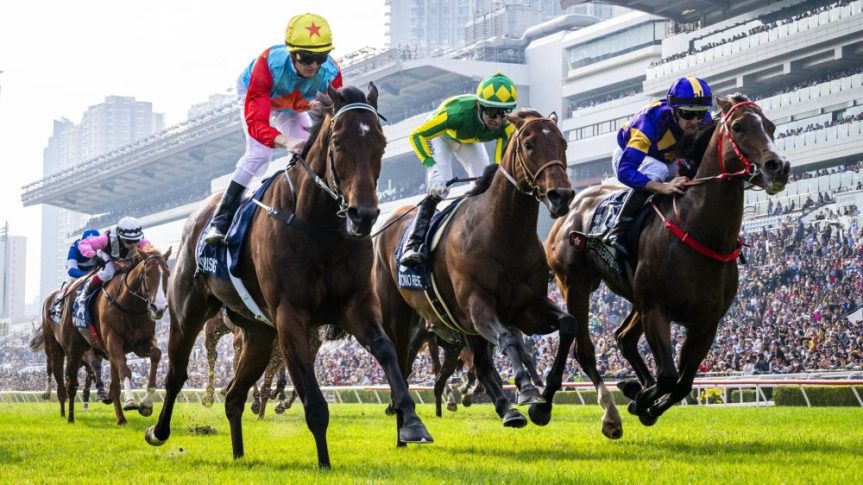
The thunder of hooves, the roar of the crowd, the breathtaking speed – professional horse racing is an exhilarating spectacle. Yet, beneath the glamour and the high stakes lies a sport with inherent risks. For both horse and rider, safety is paramount. While the focus often falls on the magnificent equine athletes, the protection of the jockey is equally critical. These skilled individuals navigate incredible speeds, tight turns, and unpredictable situations. Their ability to perform at their peak, and more importantly, to walk away from an accident, relies heavily on the quality and integrity of their safety gear. This article delves into the crucial role of protective equipment in professional horse racing, highlighting why it’s not just an accessory, but an essential component of the sport.
The Inherent Dangers: A High-Stakes Environment
Horse racing, by its very nature, is a high-risk activity. Jockeys ride powerful animals weighing over 1,000 pounds, traveling at speeds exceeding 40 miles per hour. A fall, whether due to a misstep by the horse, interference from another rider, or an unforeseen circumstance, can have devastating consequences. Injuries can range from minor scrapes and bruises to severe fractures, concussions, and even life-threatening trauma. The close proximity of multiple horses and riders in a confined space further amplifies these risks.
Consider the statistics: a study by the British Horseracing Authority revealed that jockeys experience an average of one fall every 150 rides, with concussions being one of the most common severe injuries. These figures underscore the constant threat jockeys face and the absolute necessity of robust protective measures. It’s not a matter of ‘if’ an accident will happen, but ‘when,’ making the quality of protection a life-or-death consideration.
The Evolution of Protection: From Silk to Science
Historically, jockey attire was largely functional and aesthetic, with little emphasis on advanced protection. The iconic silk colors were for identification, and helmets were often rudimentary. However, as medical understanding of head injuries and the biomechanics of falls improved, so too did the design and materials used in safety gear. Today, modern jockey outfits horse racing are a testament to scientific advancement, incorporating cutting-edge materials and ergonomic designs to maximize protection without hindering performance.
The Helmet: The Most Critical Defense
Without doubt, the helmet is the most vital piece of safety equipment for a jockey. Modern racing helmets are a far cry from their predecessors. They are meticulously designed to absorb and dissipate impact energy, protecting the brain from concussions and more severe traumatic brain injuries.
- Advanced Materials: Helmets are constructed from multi-layered composites, often incorporating carbon fiber, Kevlar, and fiberglass, which offer exceptional strength-to-weight ratios.
- Energy Absorption: Inner liners made of expanded polystyrene (EPS) foam are engineered to crush and deform upon impact, effectively slowing the head’s deceleration and reducing the G-forces transmitted to the brain.
- Rigorous Testing: All racing helmets must meet stringent international safety standards, undergoing extensive testing for impact resistance, penetration, and strap retention.
Body Protectors: Shielding the Torso
Beneath their vibrant silks, jockeys wear sophisticated body protectors designed to safeguard the spine, ribs, and internal organs. These vests are crucial in mitigating injuries from direct impacts with the ground, other horses, or rails.
- Segmented Design: Modern body protectors feature multiple articulated panels, allowing for flexibility and freedom of movement while ensuring comprehensive coverage.
- Impact-Absorbing Foams: High-density, impact-absorbing foams, often multi-layered, are strategically placed to cushion falls and distribute impact forces over a wider area.
- Lightweight Construction: Despite their protective capabilities, these vests are designed to be as lightweight as possible to avoid hindering the jockey’s performance or adding unnecessary weight to the horse.
Footwear and Goggles: Supporting Performance and Protection
While perhaps less dramatic than helmets and body protectors, specialized footwear and goggles also play a crucial role in jockey safety and performance.
- Riding Boots: High-quality riding boots provide ankle support, grip in the stirrups, and protection from scrapes and abrasions. They are designed to come off easily in a fall, preventing a foot from getting caught in a stirrup, which can lead to severe dragging injuries.
- Goggles: Clear, shatter-resistant goggles protect the jockey’s eyes from flying dirt, debris, and mud kicked up by other horses, ensuring clear vision throughout the race – a critical factor for safety and strategic riding.
The Rider’s Responsibility and Industry Standards
While manufacturers continue to innovate, the responsibility for ensuring proper and well-maintained safety gear also falls on the jockey and the racing industry. Regular inspection, replacement of damaged equipment, and adherence to evolving safety standards are paramount. Racing authorities around the world mandate specific safety gear requirements, and non-compliance can result in penalties or even disqualification. The continuous dialogue between jockeys, trainers, manufacturers, and regulatory bodies drives improvements in the safety of jockey outfits horse racing.
Conclusion: A Commitment to Well-being
The world of professional horse racing is a thrilling blend of skill, speed, and courage. For the jockeys who dedicate their lives to this demanding sport, safety gear is not merely an accessory; it is their unseen armor, their silent guardian. From advanced helmets that shield against brain trauma to body protectors that cushion falls, every piece of equipment is a testament to a collective commitment to rider well-being. As the sport continues to evolve, so too will the technology and design of these vital protections, ensuring that jockeys can compete at the highest level with the greatest possible peace of mind, knowing they are as protected as possible against the inherent risks of the track.
Author Bio:- The author is a seasoned writer with a passion for equestrian sports and a keen interest in athletic safety and performance. With years of experience researching and writing about various aspects of sports, their work focuses on providing insightful and well-researched content that informs and engages readers. They believe in the power of knowledge to enhance understanding and promote best practices in all competitive fields.
 Talk About Sport Blog