

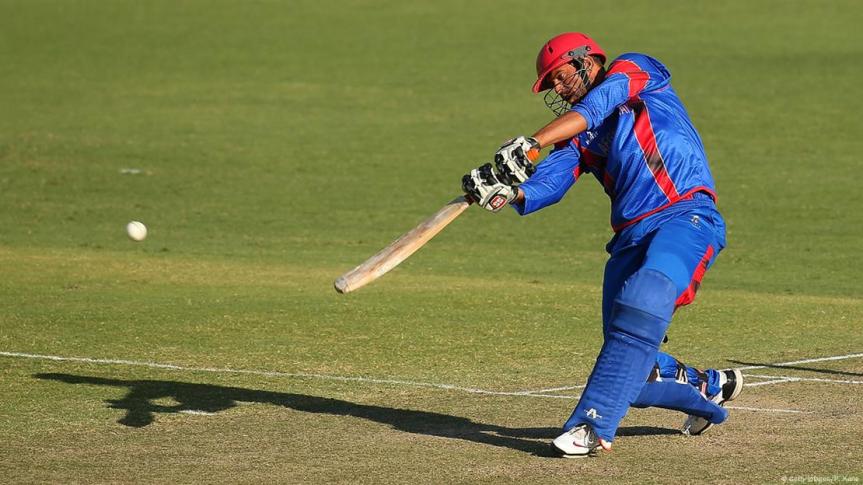
Cricket, once the pride of village greens and English aristocracy, has evolved into a global spectacle—uniting billions through its mix of strategy, skill, and emotion. More than a sport, cricket is a cultural phenomenon. It binds nations in fierce competition, fuels lifelong rivalries, and transforms players into national icons. In an era where sports are often reduced to commercial enterprise, cricket retains a unique charm—an intricate balance between elegance and intensity, tradition and innovation.
Origins of a Legacy: Cricket’s Humble Beginnings
Cricket’s earliest recorded references date back to the 16th century in southeast England, where it began as a children’s pastime before evolving into an adult recreation. By the 18th century, it had gained prominence among the English gentry, developing into a structured sport with formal laws. The Marylebone Cricket Club (MCC), founded in 1787, played a pivotal role in codifying the game’s rules—many of which endure in spirit today.
What began as a leisurely sport among English elites eventually became a vital thread in the colonial fabric of the British Empire. Cricket traveled across oceans and latitudes, taking root in the West Indies, the Indian subcontinent, Australia, and Africa. Though the British left, the game remained, nurtured and elevated by the very colonies that once adopted it.
The Soul of the Sport: What Makes Cricket Unique
Unlike most fast-paced, high-adrenaline sports, cricket embraces patience, timing, and mental endurance. It is often described as a blend of chess and warfare, where every move carries strategic weight, and outcomes can shift in minutes—or unfold over days.
Key Elements That Define Cricket:
-
The Format Flexibility: From the marathon elegance of Test matches to the thrilling brevity of T20s, cricket offers formats for every temperament.
-
A Dual Role for Players: Batsmen and bowlers play different roles within the same team, demanding both individual excellence and cohesive teamwork.
-
Psychological Edge: Success in cricket often hinges on mental strength—reading opponents, managing pressure, and adapting to conditions.
Global Impact: From Colonial Inheritance to Modern Obsession
Cricket’s evolution from a colonial pastime to a global passion is one of the most fascinating narratives in sports history. Nowhere is this transformation more vivid than in South Asia. In India, Pakistan, Bangladesh, and Sri Lanka, cricket is not just a game—it is religion, theatre, and national pride all rolled into one.
-
India’s Cricketing Rise: From underdog to powerhouse, India’s cricketing journey—punctuated by World Cup wins and the birth of the Indian Premier League (IPL)—has elevated the sport’s global economy.
-
Australia’s Competitive Legacy: Known for its aggressive style and tactical depth, Australia remains a formidable force across all formats.
-
West Indies Flair: The Caribbean brought rhythm and freedom to the game, producing legends who combined style with substance.
-
England’s Reinvention: The birthplace of cricket continues to evolve, adapting to modern formats while honoring tradition.
Formats That Reshaped the Game
Cricket’s adaptability has allowed it to survive and thrive through changing times and tastes. Its primary formats—Test cricket, One Day Internationals (ODIs), and Twenty20 (T20)—each bring a unique flavor.
Test Cricket: The Ultimate Test of Character
-
Played over five days, this format remains the purist’s choice.
-
It demands endurance, technique, and deep strategic insight.
-
It is revered for its nuanced narratives and subtle shifts in momentum.
One Day Internationals: Cricket’s Commercial Catalyst
-
Played over 50 overs per side, ODIs brought cricket to the television generation.
-
Iconic tournaments like the ICC Cricket World Cup popularized the game globally.
-
A blend of patience and aggression characterizes this format.
T20: The Game-Changer
-
Limited to 20 overs per side, T20 has revolutionized how cricket is consumed and played.
-
Emphasis on innovation, power-hitting, and entertainment value.
-
The IPL and similar leagues have turned domestic players into global superstars.
The Role of Technology and Analytics
Modern cricket is as much about data and precision as it is about flair. With tools like Hawk-Eye, ball-tracking, and real-time analytics, teams make informed decisions that enhance performance and strategy.
-
Decision Review System (DRS): Introduced to reduce umpiring errors, it has become a vital tactical tool.
-
Performance Analytics: Used for opposition scouting, player workload management, and predictive modeling.
-
Broadcast Innovation: Technologies like Spidercam and ultra-motion cameras have transformed how fans experience the game.
Cricket and Culture: More Than Just a Game
Cricket often mirrors the socio-political landscape of the regions where it’s played. It fosters national unity, inspires youth, and sometimes even becomes a platform for protest and diplomacy.
-
National Identity: From India’s 1983 World Cup win to South Africa’s return to international cricket post-apartheid, cricket milestones often coincide with pivotal national moments.
-
Diplomatic Dialogue: “Cricket diplomacy” has, at times, thawed political tensions—most notably between India and Pakistan.
-
Inspiration and Inclusion: Women’s cricket and disability cricket have grown exponentially, pushing the boundaries of inclusivity in sport.
The Future of Cricket: Tradition Meets Innovation
As cricket moves into an era of rapid change, it faces the delicate task of balancing tradition with innovation. The growth of franchise leagues, rising viewership on digital platforms, and the emergence of cricket in non-traditional markets suggest a vibrant, expanding future.
-
Expansion of the Game: Countries like the USA, Nepal, and Namibia are investing heavily in cricket infrastructure and development.
-
Women’s Cricket on the Rise: With increasing visibility and investment, women’s cricket is becoming a cornerstone of the sport’s global future.
-
Sustainability and Scheduling: Player workload and over-scheduling remain concerns, prompting conversations around sustainable formats and calendars.
Conclusion: Cricket’s Enduring Legacy
Cricket is more than leather hitting willow or a scoreboard ticking steadily toward a win. It is a narrative art form, a test of human will, a celebration of community and culture. With every generation, the game reinvents itself—yet retains its essence. The gentleman’s game has become everyone’s game, and its symphony of sound, silence, and spectacle continues to resonate across continents.
 Talk About Sport Blog